HOMEOWNERS are facing a fresh nightmare as the cost of government borrowing skyrocketed on Monday to levels not seen since the 2008 financial crisis.
The panic in the markets has been sparked by fears that interest rates will have to hit 4.75% by the end of the year to combat a massive new inflation shock.

The Bank of England’s base rate currently sits at 3.75%.
This is the single most important interest rate in the UK because it sets the bar for what other banks charge you to borrow money.
It comes as Keir Starmer is set to hold an emergency meeting today with Bank of England Governor Andrew Bailey and senior ministers.
They are scrambling to deal with the fallout from soaring energy costs following the outbreak of war between the US, Israel, and Iran.


The crisis has sent the interest rate on 10-year government bonds, known as gilts, past the 5% barrier.
This is a critical marker that suggests investors are losing confidence in the UK’s ability to keep prices under control as oil costs surge.
City experts warned that Britain is now a “main victim” of global market volatility because the country was already struggling with stubborn inflation before the conflict began.
The Bank of England has admitted that inflation could hit 3.5% this summer, completely abandoning its previous hopes of hitting its 2% target.
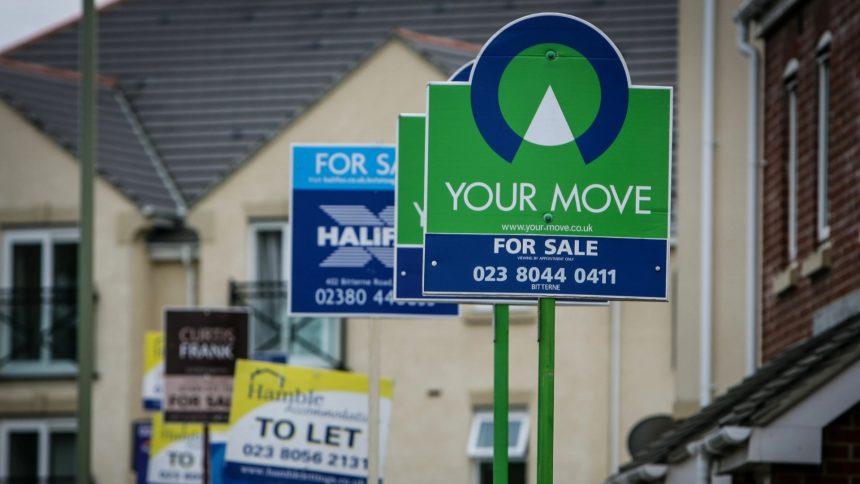
This shift has direct and painful consequences for anyone looking for a mortgage or coming off a fixed-rate deal.
Lenders price their mortgages based on these government bond rates, and the sudden jump is already causing banks to pull deals from the shelves.
Average two-year fixed mortgage rates have already climbed from 4.85% before the conflict began to about 5.34% today, adding roughly £900 a year to repayments on a typical £250,000 mortgage.
At the same time, choice is drying up fast for borrowers, with the number of available mortgage deals falling by nearly a fifth in just a couple of weeks – leaving homeowners with almost 1,500 fewer options.
Industry insiders say the current chaos in the markets is already being compared to the dark days of the 2022 mini-Budget.
While that crisis was caused by tax-cutting plans, this one is being driven by global war and energy prices, but the end result for families could be exactly the same.
Nicholas Mendes, of mortgage broker John Charcol, warned that the window to lock in a lower fixed rate is shrinking fast.
He said the gilt market moves were starting to echo the upheaval seen after Liz Truss’s mini-Budget, adding: “We could certainly see a similar level of short-term volatility in terms of repricing and lender withdrawals, and March is already being compared with that period in the gilt market.”
The scale of the move is huge, with markets now betting on four rate hikes this year when they were previously hoping for cuts.
Major lenders like Metro and Coventry have already begun pulling rates as they struggle to keep up with the fast-moving market.
Mark Harris, chief executive of broker SPF Private Clients, urged anyone needing a mortgage in the next six months to secure a deal now to hedge against further hikes.
David Hollingworth, associate director at L&C Mortgages, said that if fixed rates climb by another two percentage points, as they did during the Truss era, it would put enormous pressure on household budgets.
He added: “It’s also bound to have a big impact on confidence too, which would have consequences for housing market activity.”