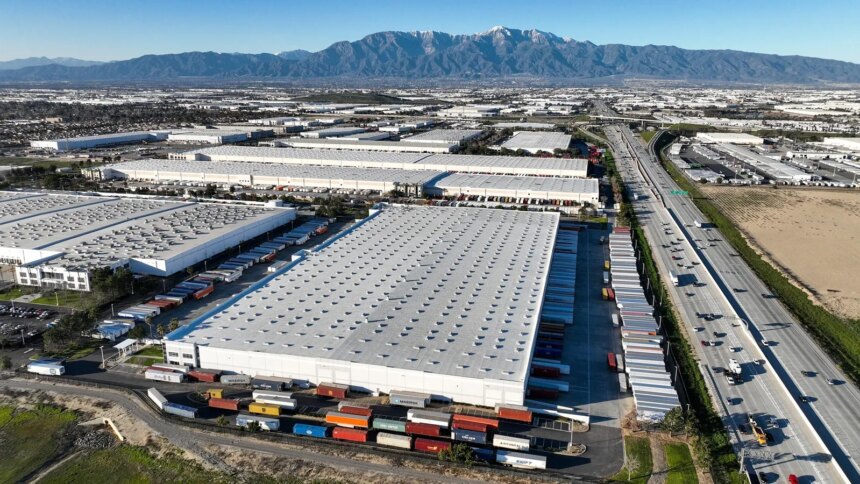

Eastvale, CA: Photographed is a Walmart distribution center located along I-15 in Eastvale. (Robert Gauthier/Los Angeles Times via Getty Images)
Los Angeles Times via Getty Images
Industrial real estate has remained one of the strongest-performing sectors in commercial real estate over the past several years. According to the Avison Young Market Signals Report for Q1 2026, industrial was the second-highest selling commercial real estate asset class during the first quarter of 2026, reaching $31.1 billion in transaction volume, a 27% increase from the previous quarter.
While demand for logistics space remains strong, today’s industrial market encompasses more than warehouses. Success increasingly depends on location, infrastructure, and creating environments that solve problems for tenants. During a recent episode of The Insider’s Edge to Real Estate Investing, I spoke with Joe Vargas, president of Wonderful Real Estate, whose company has developed one of the country’s largest industrial portfolios located in the Los Angeles metro area, in the Inland Empire.
Industrial Development Is a Long-Term Strategy
As Joe mentioned during the podcast, industrial development requires patience. Unlike many commercial projects that begin soon after land acquisition, industrial developments often involve years of planning before construction even starts.
As one of California’s largest agricultural landowners, the Wonderful Company continues farming much of its land while simultaneously identifying parcels that may eventually become industrial developments. Rather than purchasing land solely for future warehouses, its agricultural operations generate income while developers work through the entitlement process.
The difference in value illustrates why this approach matters. Agricultural land with sufficient water may sell for a fraction of the value of fully entitled industrial land. However, obtaining those approvals can take years. By maintaining productive agricultural operations during that period, the company executes a strategy which provides current income and also future development potential.
Modern Industrial Spaces
Transportation remains one of the largest operating expenses for industrial tenants, which often means location and logistics infrastructure are equally as important for tenants as the buildings on the property. Wonderful’s location allows many occupiers to reach California’s 40 million residents within a single day while also providing access to roughly 70 million consumers across the western United States within two days. Combined with direct connections to the Ports of Los Angeles and Long Beach, these advantages help tenants reduce costs and also improve efficiency.
Providing Solutions for Tenants
On the podcast, Joe referred to tenants as “clients,” emphasizing that every transaction begins by understanding the user’s operational needs and priorities. For instance, some tenants will seek additional power capacity while others look for more trailer storage, specialized building configurations, or a faster construction timeline. The developer’s role is to find solutions that meet those needs while still achieving acceptable investment returns.
Looking ahead, it is likely that industrial real estate will continue evolving alongside advances in automation, robotics, and AI. Developers who focus only on today’s building standards risk falling behind. Instead, they must continually ask what future tenants will require and begin planning for those needs. Doing so many involve providing greater electrical capacity, new transportation technologies, or entirely new building designs.
While industrial remains one of the market’s strongest sectors, long-term success depends on viewing the whole picture rather than focusing on warehouses. The developers who create lasting value will be willing to think ahead in terms of infrastructure and operational needs. The most successful industrial projects are carefully planned and designed to support the demands of the future.