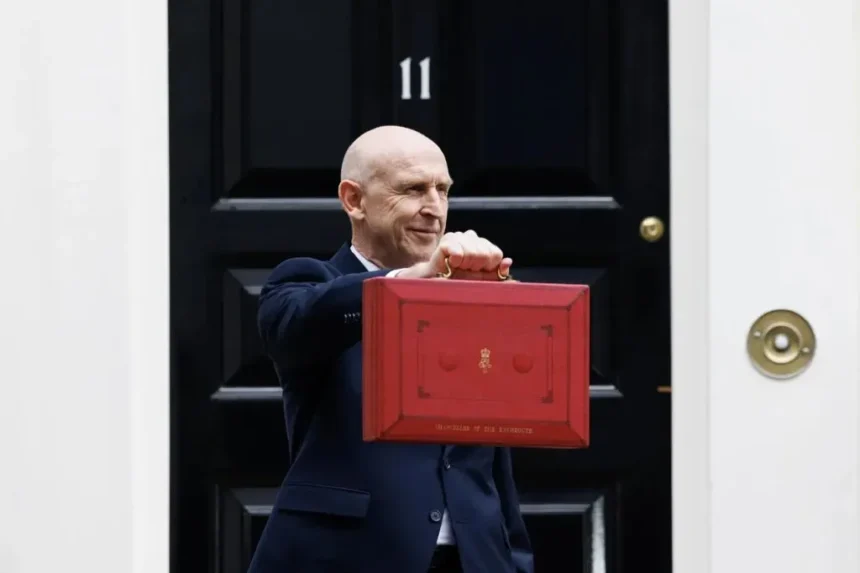
The wider commercial real estate sector has ‘dodged a bullet’ as it will not have to finance business rates relief for retail, hospitality and leisure (RHL) businesses, after chancellor John Healey raised the rates relief threshold for RHL firms from £12,000 to £18,000 in the Budget.
 Healey said the move he said would mean 70,000 businesses will not pay any business rates, while other businesses in the sector would see their rates frozen in real terms.
The government will fund these high street tax cuts by raising machine games duty for gambling firms from 20% to 25% and introducing a Vaping Products Duty for e-liquids, prefilled vaping pods and nicotine-free products. Vape shops and ‘adult gaming centres’ will also no longer qualify for business rates reliefs.
While Healey’s first budget dispelled fears that Labour would launch a business rates raid on large commercial buildings such as offices and warehouses, there was little additional support for a sector battling harsh economic headwinds.
“After weeks where it seemed almost inevitable that business rates on large properties like warehouses would go up again at the Budget, today was a bullet dodged for our sector,” said Clare Bottle, chief executive of the UK Warehousing Association.
“The UKWA has led the charge to persuade the government that a rise in property taxes for warehouses would inexorably lead to higher costs for business and consumers, and we are pleased our argument has been heeded. However, it is still the case that seven in ten large distribution warehouses are being hit by the high value multiplier for business rates, and our members face high costs across the board, including fuel and employment.”
Oliver Kolodseike, head of research and strategic insight at Colliers, said the budget offered some targeted occupier support but added that it “did not not materially alter the central challenge facing UK commercial property, as financing conditions remain restrictive and growth is modest.”
“The most direct measure for the sector is business-rates relief for smaller firms, funded through higher gambling taxes rather than by increasing rates elsewhere in the property market as was previously rumoured,” he said.
Dan Parr, senior vice-president at CACI and chair of Revo, the membership organisation for over 6,300 UK retail and leisure locations, said: “Retail and leisure came into today’s budget seeking relief from a cost base that has risen sharply over the past two years. The increase in the Small Business Rates Relief threshold will ease pressure for some, but many will be disappointed that policy didn’t extend a bit further, reflecting the sector’s collective contribution.”
Molly Monks, founder and director of insolvency practitioner Parker Walsh, added: “For an independent shop, café or salon operating on tight margins, reducing a fixed overhead can free up money for wages, stock or simply keeping the doors open.
“But we need to be realistic about what business rates relief can achieve on its own. Businesses are still facing pressure from energy bills, staffing costs, rent and suppliers, while customers remain sensitive to prices. A lower rates bill can create breathing space, but it does not automatically turn an unprofitable business into a viable one.”
Healey also announced that mayors will be able to keep 20% of business rates revenue from next year and will be able to keep a share of income tax from 2028, with plans for 100% of business rates to be retained locally by the end of decade. Mayors will also be given new powers to charge a levy on overnight stays from 2028.
Kolodseike concluded: “Overall, this is a measured budget rather than a property stimulus. Its market impact will depend less on the headline giveaways than on whether investors judge the fiscal forecasts credible enough to steady gilt yields and financing costs.”