
It’s been more than 100 days since I took on the role as the UK Cabinet Office Disability and Access Ambassador.
Both Peter Hamilton and Johnny Timpson my predecessors did much to establish and grow the role across the Insurance and Financial Planning profession.
They have both been gracious with their time, guiding me and sharing their insights.
What has struck me most in these first months is the sheer breadth of activity across our profession.
Everywhere I look, I see initiatives large and small driven by passionate champions, many with lived experience, who are giving their time, skills, and energy to improve accessibility for customers and colleagues alike.
The scale of the opportunity is undeniable:
-
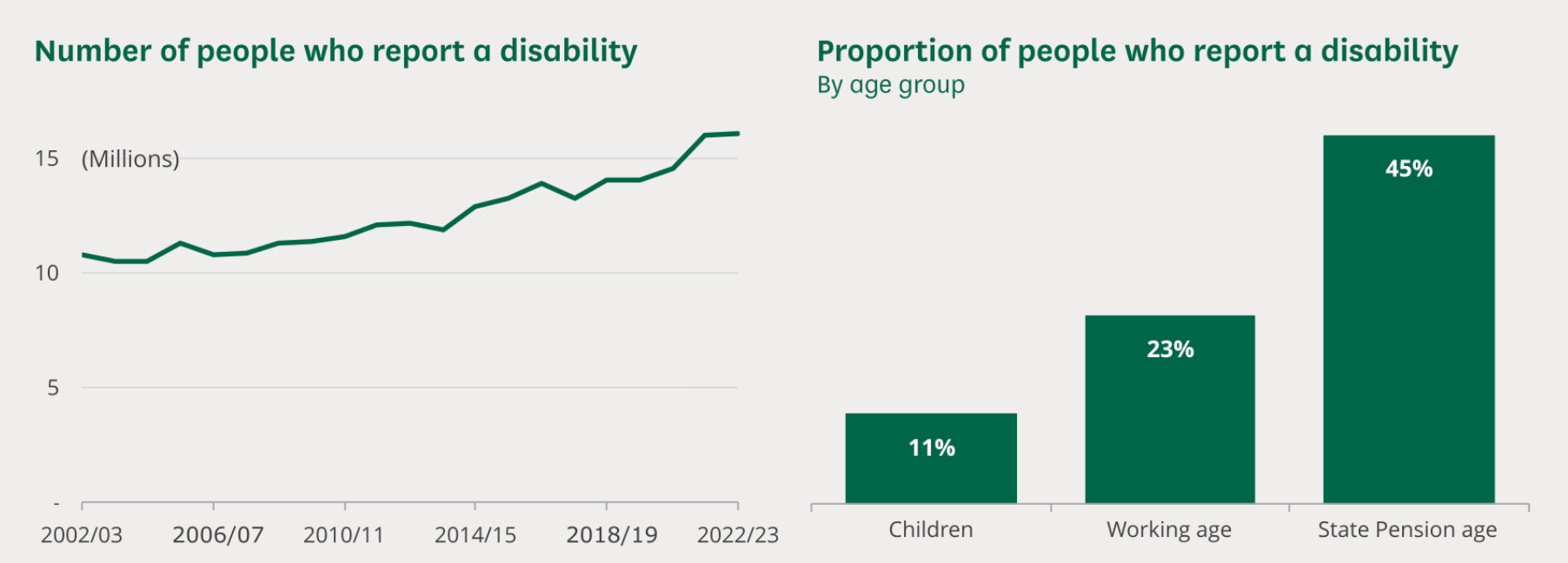
One in four working-age adults in the UK is disabled.
-
The Purple Pound, the spending power of disabled households, is estimated at £446bn.
-
Motability operates the UK’s largest fleet scheme with more than 700,000 vehicles.
And yet, too often, disabled people remain under-represented in workforces and underserved as customers.
As firms gather ever more data on clients and employees, the real question is: what are we doing with it?
Does your data reveal that disabled people are missing from your workforce or customer base? If so, are there barriers – direct or indirect – in your processes that need dismantling?
One of my priorities is to showcase the excellent work already being done, so we don’t keep reinventing the wheel. In my first 100 days, these free resources stood out:
1) Money Advice Trust have created an updated free guide detailing 120 reasonable adjustments that firms can offer to support disabled and vulnerable consumers, removing barriers, and creating a more inclusive environment.
2) Bank of Ireland have published a free guide for employers seeking to create a neuroinclusive workplace full of hints and tips, designed to support the creation of innovative, inclusive and successful organisations.
3) Lloyds Bank have created “This is me”, a free training course for employees championing disability and neuroinclusion, fostering upskilling and unleashing the full potential of teams to deliver excellence.
The Technology Ambassador has also highlighted how many accessibility features already exist but remain underused. Adoption costs little but delivers huge impact.
Microsoft, for example, has embedded sign language into Teams and provides sector guides to help firms make the most of these tools. This is all part of their Microsoft Accessibility ambition.
Tackling structural barriers
More than 100 firms in our sector have already signed up to the Government’s Disability Confident scheme, committing to inclusive recruitment and retention.
This is a powerful way to address the “persistent structural barriers” identified in the Keep Britain Working review, chaired by Charlie Mayfield, published November 2025. There are three levels designed to support all types of organisations.
I’ve also heard directly from disabled people about the barriers they face.
For example, a Paralympian shared with me how empathetic underwriting — where data is used intelligently — can make the process smooth and respectful.

Consumer Duty has done much to place greater emphasis on vulnerable circumstances
But when handled poorly, it becomes intrusive, frustrating, and often ends in declined cover.
This is not just about insurance: it affects mortgages, training, and financial resilience
The BIBA signposting Access to Insurance scheme is a great example of a solution, helping over 400,000 people in 2024 alone to access cover.
Employers, too, can play a vital role by offering group benefits that support disabled employees, especially if disability arises during their career, with providers often taking a pragmatic approach to rehabilitation and return to work.
A call to action
The past 100 days have shown me that meaningful change is already happening, driven by people who care, who listen, and who act. But we cannot stop here.
-
Audit your data: Does it reveal gaps in representation or service?
-
Adopt existing resources: Don’t reinvent – embed the guides and training already available.
-
Sign up to Disability Confident: Join the 100+ firms already committed to inclusive recruitment.
-
Champion accessibility features: Make better use of the tools you already have.
-
Challenge your processes: Ask whether they empower or exclude disabled people.
Consumer Duty has done much to place greater emphasis on vulnerable circumstances, removing barriers.
Accessibility must be instinctive — woven into every decision, building every product with disability in mind rather than an afterthought.
The most effective way to achieve is to ensure disabled employees and consumers are in every conversation, empowered, valued, and visible.