Last Updated:
Your strong CIBIL score is not the only metric evaluated by lenders before signing up for a loan agreement.

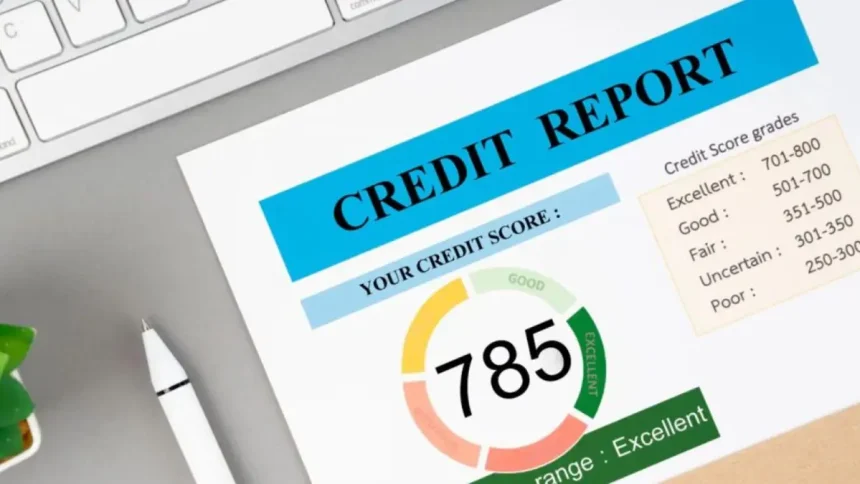
What other parameters do lenders evaluate before giving loans? (Representative Image)
A high CIBIL score reflects strongly on an individual’s creditworthiness. A credit score of 700+ is considered sufficient in most circumstances for an individual to acquire their desired home loan plan with cheaper interest rates. However, to debunk the myth, merely having a strong CIBIL score is not good enough for your home loan application to be accepted. The lender may reject the application even when an individual has a CIBIL score surpassing the 700 mark.
Shocked? Don’t be. It is very much possible for a home loan application to be turned down despite a 700+ credit score. According to a CIBIL report, the average credit score for active credit users in India typically ranges from 715 to 730. For most standard credit products, a credit score in this region is generally accepted. But it doesn’t necessarily narrow down the pool of eligible borrowers, Adhil Shetty, CEO, BankBazaar.com, told Economic Times.
Other Parameters In Loan Approvals
Indian lenders have standardised their loan-eligibility criteria over time, of which credit-profile accounts fill only one-third of the entire evaluation procedure. It is good to have a strong CIBIL score, which reflects well on a person’s repayment history and financial conduct. But the source and the stability of their existing income standards also play an instrumental role in getting a personal loan approved.
Typically, lenders are seeking assurance of repayability, which a stable and predictable source of income guarantees. It makes it easier to sign up for a long-term commitment. Lenders also establish a minimum income threshold, below which loans are not provided. The evaluation is usually based on the last three years’ income proofs to ascertain regularity and reliability. Lenders tend to reject individuals who undergo frequent job changes, prolonged employment gaps and face business dips, counting them as risky borrowers.
Fixed Obligation To Income Ratio (FOIR)
Also part of the evaluation is the FOIR, which is the fixed obligation to income ratio. The FOIR is the share of your net monthly income which goes towards the existing EMIs, plus the proposed home loan EMI. Lenders prefer home loan buyers with an FOIR of below 40-50 per cent. At higher rates, the FOIR indicates limited or poor repayment capacity.
A substandard FOIR leaves you susceptible to face complications. The lender may reduce the loan amount asked or ask for a co-applicant to join in the agreement. Another red flag suggesting payment stress is repaying multiple EMIs at the same time, which may push the existing FOIR beyond the acceptable limit.
The borrowers should also try and have a low Loan-to-Value (LTV) ratio, which is the percentage of the property’s market value that a lender is okay to fund.

A team of writers and reporters decodes vast terms of personal finance and making money matters simpler for you. From latest initial public offerings (IPOs) in the market to best investment options, we cover al…Read More
A team of writers and reporters decodes vast terms of personal finance and making money matters simpler for you. From latest initial public offerings (IPOs) in the market to best investment options, we cover al… Read More
Delhi, India, India
November 15, 2025, 14:08 IST
Read More