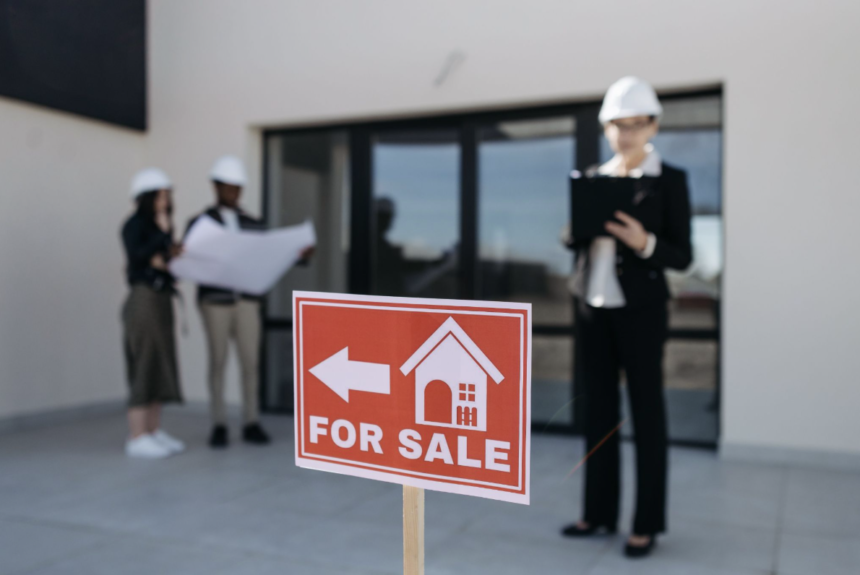
Building a real estate career while attending university can be an exciting way to gain professional experience, develop valuable skills, and start preparing for your future. Real estate offers opportunities in sales, property management, investment, development, marketing, and many other areas. However, combining a demanding degree with professional responsibilities requires careful planning.
University classes, exams, assignments, networking events, and work commitments can quickly fill your schedule. Without a clear strategy, it is easy to fall behind academically or become overwhelmed by career responsibilities. The good news is that you do not have to choose between your education and professional ambitions.
With effective time management, realistic goals, and a flexible approach, you can make progress in both areas. Here are practical strategies for balancing university studies and a growing real estate career.
 Set clear academic and career goals
The first step toward balancing university and real estate is understanding what you want to accomplish in both areas. Instead of trying to do everything at once, identify your most important short-term and long-term goals.
For your education, consider targets such as maintaining a specific GPA, completing your degree on schedule, or developing expertise in subjects that could benefit your future career. For real estate, your goals might include obtaining a license, completing an internship, learning about property investment, attending industry events, or building a professional network.
Once your goals are clear, you can determine how much time each activity deserves. This prevents you from spending too much energy on tasks that do not contribute meaningfully to your priorities.
Your goals can also change as you gain experience. Perhaps you initially want to work in residential sales but later discover an interest in commercial property or real estate investment. Keep your plan flexible while maintaining a clear direction.
Learn to prioritise during busy periods
There may be periods when gaining practical real estate experience feels more valuable than spending every available hour on university work. Meeting clients, visiting properties, attending industry events, or learning directly from experienced professionals can give you knowledge that is difficult to obtain from a classroom. However, this does not mean that academic responsibilities should be ignored. The goal is to find a temporary balance when your real estate career becomes especially demanding. During exam weeks or when several assignments are due, you may need to reduce your professional commitments. At other times, when your academic workload is lighter, you can dedicate more energy to developing your career. If university deadlines begin competing with important professional opportunities, better organization can make a major difference. Creating a list of urgent tasks, setting realistic deadlines, and separating essential coursework from less important activities can help you protect your time. Some people also choose the best essay writing service PapersOwl when their academic workload becomes difficult to manage, allowing them to focus more attention on career development. The important thing is to avoid letting professional ambitions completely replace your education. A degree can provide valuable knowledge and credibility, while practical real estate experience builds skills that can shape your future career. Treat both as long-term investments.
Create a realistic weekly schedule
Time management is one of the most important skills for anyone trying to combine university with a real estate career.
Start each week by reviewing your class timetable, deadlines, work commitments, meetings, and personal responsibilities. Then assign specific periods for studying, career development, and rest.
A digital calendar can make this process easier. Block out important university commitments first, including lectures, seminars, exams, and major assignments. Then schedule real estate activities around those fixed responsibilities.
For example, you might reserve several evenings for coursework and use one or two afternoons for property-related activities. If your schedule changes frequently, leave some flexible blocks available for unexpected opportunities or urgent tasks.
Avoid creating a schedule that leaves every hour occupied. A plan that looks productive on paper may quickly become exhausting in reality. Building in breaks and free time helps you maintain your energy throughout the semester.
Use university breaks strategically
Academic breaks can provide valuable opportunities to gain real estate experience without competing directly with your classes.
Summer and winter breaks may be ideal for internships, part-time positions, professional courses, networking events, or shadowing experienced agents. You can also use this time to research local markets, learn about property investment, or develop your understanding of real estate finance.
During the semester, your priority should generally remain your degree. During longer breaks, you can increase your professional involvement.
This approach allows you to gain practical experience without trying to maintain an intensive work schedule during the busiest academic periods.
Develop skills that benefit both areas
One major advantage of combining university and real estate is that many skills overlap.
Communication, research, organization, negotiation, presentation, analytical thinking, and time management are valuable in both academic and professional environments.
For example, preparing a university presentation can improve your ability to communicate property information to potential clients. Researching a course project can strengthen your ability to analyze market data. Group projects can teach collaboration, while meeting deadlines can prepare you for the fast-paced nature of real estate transactions.
Think of your degree and career as complementary rather than completely separate. Skills developed in one environment can often strengthen your performance in the other.
Build a professional network gradually
Networking is an important part of developing a real estate career, but you do not need to attend every industry event available.
Instead, focus on building meaningful professional relationships over time. Attend selected real estate conferences, university career events, property investment seminars, and networking sessions that fit your schedule.
Your university can also be an excellent networking environment. Professors, alumni, career advisors, classmates, and guest speakers may have connections to property companies, agencies, developers, or investment firms.
When meeting professionals, focus on learning rather than immediately asking for opportunities. Ask thoughtful questions about their careers and the industry. A genuine relationship developed over several years can become much more valuable than dozens of superficial connections.
Take advantage of flexible real estate opportunities
Not every real estate role requires a traditional nine-to-five schedule. Depending on your location and career goals, you may find opportunities that provide greater flexibility.
Part-time administrative roles, internships, property research, marketing, lead generation, and selected sales activities can sometimes fit around a university timetable.
Flexibility should be one of your main considerations when evaluating opportunities. A position that looks impressive but consistently interferes with your classes may not be the best choice at this stage.
Look for roles that allow you to gain relevant experience while still protecting enough time for your education.
Protect your health and personal time
Career development and academic success are important, but neither should require sacrificing your basic well-being.
Sleep, exercise, healthy meals, social connections, and downtime can have a significant impact on your concentration and productivity. Constantly working or studying may initially feel productive, but exhaustion can eventually reduce the quality of everything you do.
Set boundaries around your schedule. Try to establish a consistent sleep routine and avoid turning every free moment into another work session.
Remember that building a career is a long-term process. You do not need to accomplish everything before graduation.
Review your progress regularly
Your schedule and priorities should evolve as your university experience develops.
At the end of each month or semester, evaluate what is working and what is not. Are you keeping up with coursework? Are you gaining useful real estate experience? Are you spending too much time on activities that provide little value?
Use these reviews to adjust your commitments.
You may discover that working fewer hours allows you to perform significantly better academically, or that a particular internship provides more valuable experience than several smaller activities. Making these adjustments is not a sign of failure. It is an important part of effective career planning.
Final thoughts
Balancing university studies with a real estate career is challenging, but it can also provide a powerful foundation for your professional future. The experience you gain while studying can help you enter the property industry with practical knowledge, professional connections, and a stronger understanding of your career interests.
The most effective approach is not trying to maximize everything simultaneously. Instead, set clear goals, organize your time, prioritize your education during demanding periods, and seek flexible opportunities to gain relevant experience.
With the right balance, university can become more than a path to a degree. It can also be the starting point for a successful real estate career.