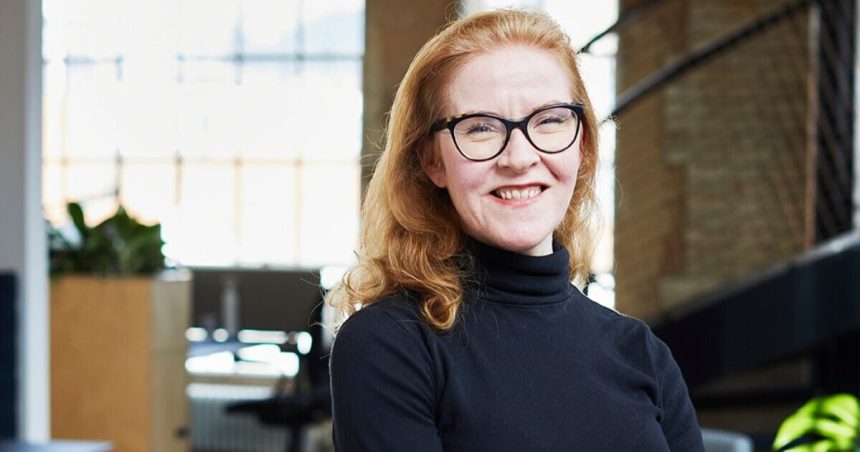

Helen Morrissey says more pensioners are being dragged into paying tax (Image: HL)
Pensioners who find themselves dragged into paying tax thanks to frozen thresholds are being offered advice on how to cope with their tax bills. Income tax and capital gains tax receipts continue to rise, after Chancellor Rachel Reeves announced she would extend the tax threshold freeze until 2030-31 to help plug a multi-billion pound gap in Britain’s finances.
Helen Morrissey, Head of Retirement Analysis at investment experts Hargreaves Lansdown, said: “Frozen tax thresholds continue to pull more people into paying more tax, with receipts for an array of taxes such as income and capital gains continuing to rise. We are seeing more pensioners facing higher tax bills – recent data say there are more than 8.7m taxpayers over state pension age.”
HMRC figures show an estimated 8.51 million people of state pension age paid tax in the financial year 2024-25. With so many pensioners paying tax in the UK, how to manage tax bills has been brought into sharper focus. Ms Morrissey details below five tips for a tax-efficient retirement income, including knowing what your allowance is.
READ MORE: Martin Lewis advice if you have cash savings as he explains ’18 year rule’
READ MORE: Emergency funds top the list of best financial advice Brits have ever received
Know your allowances
The expert explained that you will pay income tax once your income goes above the personal allowance of £12,570 per year.
She continued: “After this you will pay basic rate tax at 20%. The threshold between paying basic rate and higher rate tax at 40% is set at £50,270, and the 45% additional rate kicks in once your income goes over £125,140.”
Ms Morrissey said if your income is over £100,000 per year you also need to deal with your personal allowance being reduced by £1 for every £2 you are over £100,000.
The personal allowance is completely erased once your income hits £125,140.
She added: “If you’ve got savings and are a basic rate taxpayer, then you can make up to £1,000 in interest every year before you start to pay tax on it.
“This falls to £500 if you are a higher rate taxpayer while additional rate taxpayers don’t have this allowance.”
But Ms Morrissey warned the tax payable is also on the rise and will go up two percentage points from April 2027.
Work out what you need
Having a plan for how much income you need in retirement means you are less likely to stray over a threshold into paying a higher rate of tax, according to Ms Morrissey.
She added: “This can happen if you cash in a pension, which can leave you with a lump sum which you may not need but you still pay tax on.”
Have a plan for your tax-free cash
You can take up to 25% of your pension tax free.
Many people will use it for a pre-planned reason – such as travel or home renovations – but you can also use it minimise your tax bill.
Ms Morrissey explained: “If your provider offers phased drawdown then you can take your tax-free cash in stages.
“You would move portions of your pension into drawdown and take 25% tax free while leaving the rest of it invested.”
She warned if you take it in one go and keep it in savings rather than an ISA then you risk paying tax on any interest.
Make use of your ISAs
Ms Morrissey said: “Income can be taken from a cash or stocks and shares ISA tax free and can act as a great accompaniment to a pension in retirement, in helping to keeping you below a tax band.”
She said income from a stocks and shares ISA, as well as pensions, can also be taken free of capital gains and dividend tax, so they are a very tax efficient way to build and draw income.
The expert added: “If you do have investments outside an ISA or SIPP, then you can make use of a process called ‘Share Exchange’ – to sell then buy back the investments within your ISA or SIPP and potentially save yourself some future tax.
“However, it’s important to say that selling these investments can result in a capital gain and if it breaches the current £3,000 annual threshold – you may be able to offset any losses – then you may face a tax bill.
“This can prove complex so if in doubt take financial advice.”
Plan as a couple
In her final tip, Ms Morrissey said couples can make use of both of their personal allowances as well as their personal savings allowances to manage the amount of tax they pay as a couple.
She said: “You can also transfer assets between spouses or civil partners on a ‘no gain, no loss’ basis to make the most of both of your CGT allowances.
“However, full ownership needs to change in these transfers, and they’re only available to spouses or civil partners living together.
“If you’re cohabiting the bad news is that you will be unable to make use of this allowance.”