USDA vs. FHA, VA and conventional loans
When you’re buying a home, choosing the right loan can feel just as big as choosing the home itself. The loan you choose can shape how much money you need upfront, what your monthly payment looks like, where you’re able to buy, and how comfortable you feel moving forward.
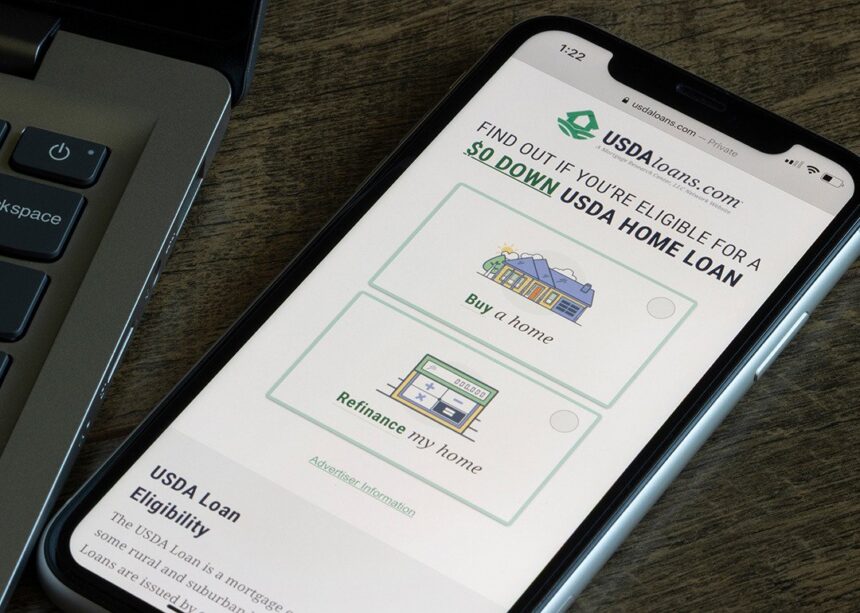
If you’re trying to keep upfront costs low, a USDA loan may be one helpful option to understand. USDA loans are designed for eligible buyers purchasing homes in approved rural and some suburban areas. They do not require a down payment, and lenders typically look for a credit score of 640 or higher. USDA loans also include income limits, which generally cap total household income at 115% of the area’s median household income. While USDA loans do not require private mortgage insurance, you will pay a one-time guarantee fee at closing and an annual fee that is added to your monthly payment.
Because USDA loans come with specific location and income rules, they are not the right fit for every buyer or every home. Comparing them with other common mortgage types can make the decision easier. The right fit depends on where you buy, how much you’ve saved, your credit, and what feels comfortable for your monthly budget, Neighbors Bank reports.
USDA Loans vs. VA Loans
VA loans are the other type of zero down payment mortgage and a great option for qualifying veterans and service members. The U.S. Department of Veterans Affairs backs these loans, which are known for their flexibility and excellent benefits. Here’s how they compare to USDA loans in particular:
Eligibility and Property Rules
USDA loans are limited to eligible rural and suburban areas. VA loans do not have location restrictions, but they do require eligible military service. Both programs require the home be your primary residence and are not meant for vacation or investment properties.
Down Payment and Credit
Both USDA and VA loans offer 0% down payment options. Credit requirements can vary by lender, but VA loans are often known for flexible underwriting.
Income and Loan Limits
VA loans do not have income caps like USDA loans. Your income can be as high as you qualify for, as long as the payment fits comfortably within your overall financial picture.
For eligible borrowers with full VA entitlement, there’s no official loan limit (like with FHA and conventional loans) — meaning you aren’t capped by a set maximum loan amount. However, lenders still review your income, credit, and repayment ability when determining how much you can borrow.
Mortgage Insurance and Costs
VA loans don’t require monthly mortgage insurance. Instead, they include a one-time VA funding fee, which helps keep the program running for future Veterans.
The funding fee typically ranges from about 1.25% to 3.3% of the loan amount, depending on factors like your down payment, whether it’s your first time using a VA loan, and your service history.
Many buyers choose to roll this fee into the loan rather than pay it up front.
USDA vs. VA: Which is better?
If you’re eligible for a VA loan, it often provides more flexibility, especially since there are no location or income restrictions and no monthly mortgage insurance. For many eligible service members and Veterans, VA loans can offer lower overall costs.
However, if you don’t qualify for VA benefits, USDA can still provide a powerful zero-down payment option in eligible areas.
USDA Loans vs. FHA Loans
FHA loans are a common home loan choice, especially among first-time buyers, because they offer more leniency toward lower credit scores and higher debt amounts and require a low down payment of only 3.5%. If USDA loans aren’t an option due to location or income limits, FHA loans are a strong choice. There are also many FHA down payment assistance options available.
Eligibility and Property Rules
USDA loans require the home to be in an eligible rural or suburban area, and it must be your primary residence. FHA loans do not have location restrictions, and they allow more flexibility for purchasing different property types, including certain multi-family homes. However, you’ll still need to live in the home as your primary residence for at least the first year.
Down Payment and Credit
USDA loans require no down payment, while FHA loans require at least 3.5% down if your credit score is 580 or higher. Though FHA rules allow lower credit scores, many individual lenders set their own minimum standards.
Income and Loan Limits
FHA loans don’t place caps on how much you earn, which can make them a better fit if your household income exceeds USDA limits.
However, FHA loans do have loan limits. These limits vary by county and are based on local home prices. In higher-cost areas, the limit is higher. In more affordable areas, the limit is lower.
If the home you’re buying costs more than the FHA limit in your area, you may need to consider a conventional loan instead.
Mortgage Insurance and Costs
FHA loans require two types of mortgage insurance:
-
An upfront premium of 1.75% of the loan amount (often rolled into the loan), and
-
An annual premium that typically ranges from 0.45% to 1.05% per year, divided into monthly payments.
In many cases, FHA mortgage insurance lasts for the life of the loan unless you refinance into a different loan type later.
USDA loan upfront and annual fees are less expensive than FHA mortgage insurance, but the annual fee also lasts the life of the loan.
USDA vs. FHA: Which is better?
If the home you want is in a USDA-eligible area and your income falls within the limits, USDA may offer a lower-cost path to homeownership. If location flexibility or higher income make USDA unavailable, FHA can provide a strong alternative.
USDA Loans vs. Conventional Loans
Conventional loans are the most popular loan type for their flexibility. Unlike other mortgage types, a government agency does not back conventional loans. Conventional loans cover a wide range of home loans, but generally refer to any home loan that is privately funded and follows guidelines set by government-sponsored entities Fannie Mae and Freddie Mac.
Eligibility and Property Rules
USDA loans restrict location and require the home to be your primary residence. Conventional loans do not have location restrictions and may be used for primary homes, second homes, or investment properties.
Down Payment and Credit
USDA loans require no down payment. Conventional loans typically require at least 3% to 5% down, depending on the program. Programs that require 3% down include:
However, these programs have additional income and first-time homebuyer status requirements.
Conventional loans generally require a minimum credit score around 620, though stronger credit often leads to better terms.
Income and Loan Limits
USDA loans have household income caps. Most conventional loans do not limit how much you earn, but certain programs designed for moderate-income buyers do include income restrictions.
Conventional loans also follow loan limits set each year by Fannie Mae and Freddie Mac. These limits vary by county and tend to be higher in more expensive housing markets.
If the home price exceeds the local conventional loan limit, you may need a jumbo loan, which comes with different qualification requirements.
Mortgage Insurance and Costs
If your down payment is less than 20% on a conventional loan, you’ll typically pay private mortgage insurance (PMI).
PMI usually costs about 0.2% to 2% of the loan amount per year, depending on your credit score, down payment, and loan details. The stronger your credit and the larger your down payment, the lower your PMI tends to be.
The good news is that PMI isn’t permanent. It’s automatically removed once you reach 22% equity in your home, and you can request removal once you reach 20%, as long as you meet lender guidelines.
USDA vs. Conventional: Which is better?
Conventional loans offer flexibility and may provide long-term savings for buyers with stronger credit or larger down payments.
USDA loans, on the other hand, can make homeownership possible with no down payment if the home and your income meet program guidelines.
Ultimately, the right home loan depends on your goals, where you’re buying, and what your finances look like today.
This story was produced by Neighbors Bank and reviewed and distributed by Stacker.